

The future of halal restaurants in Chicago is shaping up to be one of steady expansion, stronger mainstream integration, and more innovation in food styles. Real market trends, customer behavior, and restaurant growth patterns all point toward halal dining becoming a permanent and more visible part of the city’s food identity rather than just a niche segment.
Expansion Beyond Ethnic Neighborhoods
Traditionally, halal restaurants in Chicago were concentrated in areas like Devon Avenue and Bridgeview, which remain major food hubs. However, the future trend shows halal dining spreading further into downtown areas, suburbs, and mainstream commercial districts.
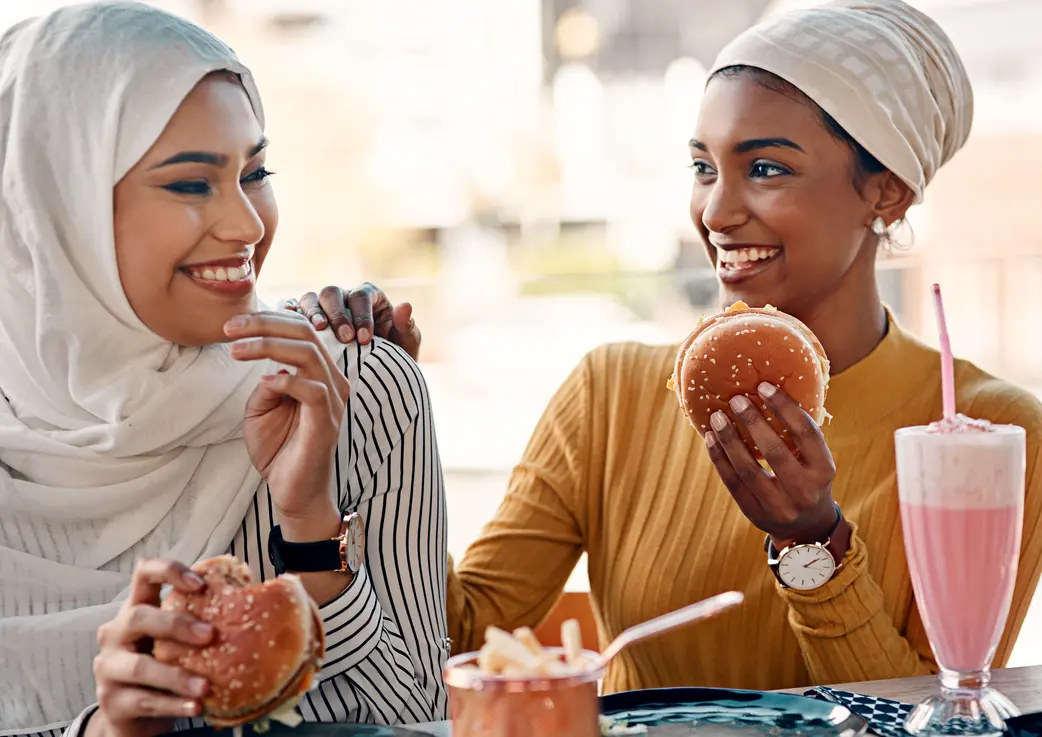
Customers already report seeing halal options in fast-casual chains, burger spots, and fusion restaurants across different parts of the city. This expansion is expected to continue as demand increases from both Muslim and non-Muslim customers seeking ethical and high-quality food options.
Mainstream Acceptance is Increasing
One of the biggest shifts in the future of halal restaurants is mainstream acceptance. Halal food is no longer seen only as a cultural or religious category—it is increasingly viewed as part of general “clean eating” and ethical dining trends.
Industry reports show that halal food demand is rising globally and in the U.S. due to multicultural populations and growing interest in transparency and food sourcing. :contentReference[oaicite:0]{index=0} In Chicago, this means more restaurants are likely to adopt halal certification or offer halal menu sections to attract wider audiences.
Growth of Fast-Casual and Street Food Models
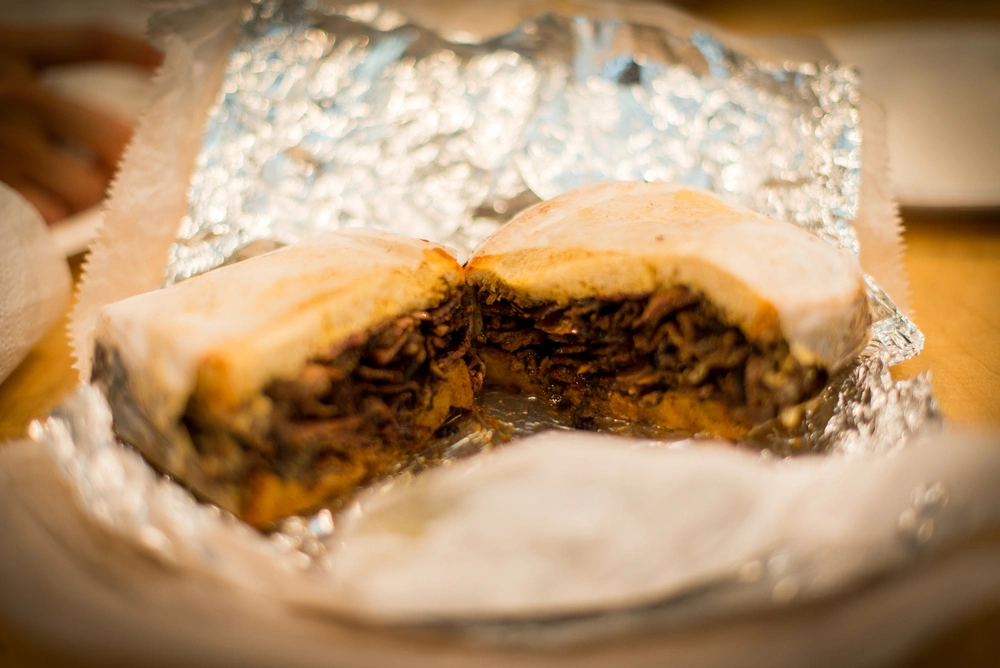
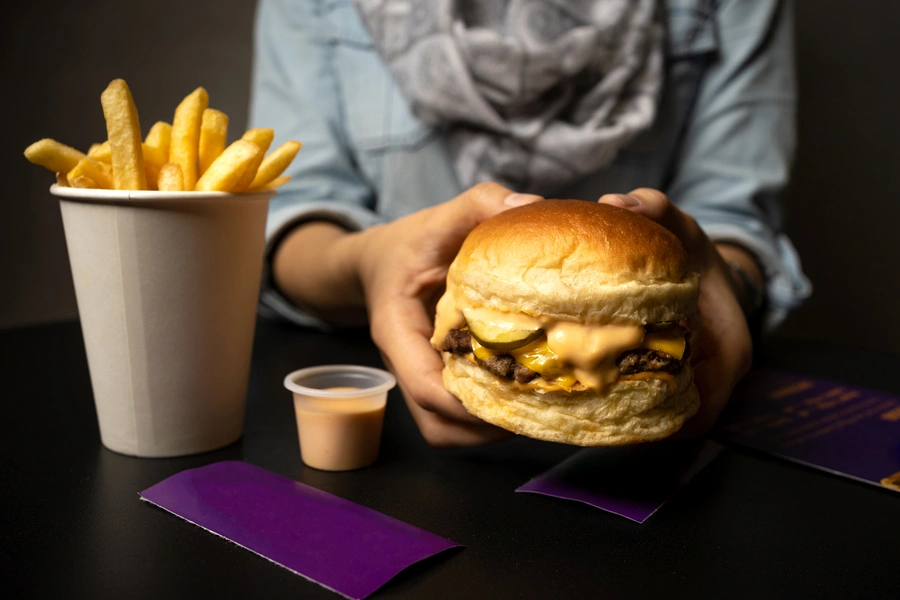
The future of halal dining in Chicago is strongly tied to fast-casual and street food formats. Chicken over rice platters, shawarma wraps, gyro bowls, and halal burgers are expected to remain the backbone of growth because they are affordable, scalable, and popular with younger consumers.
Customers consistently prefer quick service, large portions, and customizable meals. This demand is pushing more entrepreneurs to open small halal grills, food trucks, and delivery-focused kitchens across the city.
More Fusion and Experimental Menus
Another major future trend is culinary innovation. Chicago’s halal restaurants are increasingly blending cuisines such as Middle Eastern, South Asian, Mexican, and American fast food.
In the coming years, customers can expect more creative offerings like halal fried chicken sandwiches, biryani burritos, shawarma tacos, and fusion rice bowls. This experimentation is especially popular among younger generations who value variety and unique food experiences.
Technology and Delivery Will Drive Growth
Digital platforms are playing a major role in shaping the future of halal restaurants. Food delivery apps are making it easier for customers to discover halal options instantly, even outside traditional halal neighborhoods.
As online ordering continues to grow, more halal restaurants are expected to focus on delivery-first models, ghost kitchens, and app-based visibility rather than relying only on physical foot traffic.
Stronger Halal Certification Awareness
One challenge that is also becoming a future focus is certification clarity. Customers increasingly want to know whether food is truly halal-certified or just labeled as halal-style.
In response, more restaurants are expected to adopt formal certification standards and transparent sourcing practices. This will improve trust and help customers make more informed choices.
Growth of Halal Food Events and Festivals
Halal food festivals, Ramadan iftar events, and cultural food markets are expected to grow significantly in Chicago. These events introduce new customers to halal cuisine and help small businesses gain visibility.
Recent trends show strong attendance at halal festivals and community food gatherings, where people explore multiple cuisines in one place. These events are likely to become a regular part of Chicago’s food calendar.
Competition Will Increase, Quality Will Improve
As more halal restaurants open, competition will naturally increase. While this may challenge small businesses, it is also expected to improve overall food quality, service standards, and menu creativity.
Customers already note that restaurants are trying harder to stand out through better recipes, cleaner environments, and faster service. This trend is expected to continue as the market becomes more competitive.
Overall Future Outlook
The future of halal restaurants in Chicago looks strong and steadily expanding. The industry is moving toward mainstream acceptance, driven by cultural diversity, ethical food demand, and modern dining habits.
In the coming years, halal food in Chicago is likely to become even more accessible, more innovative, and more integrated into everyday dining across the city. What was once concentrated in a few neighborhoods is now evolving into a citywide food movement with long-term growth potential.