

The halal food industry in the USA is experiencing strong and steady growth, driven by changing demographics, evolving consumer preferences, and increased awareness of food sourcing and quality. What was once considered a niche market for Muslim communities has now expanded into a mainstream food category embraced by a wide range of consumers. Real market trends and customer behavior show that halal food is becoming a significant part of America’s broader food economy.
Growing Muslim Population and Cultural Diversity
One of the primary reasons for the growth of the halal food industry in the USA is the increasing Muslim population. As immigration and cultural diversity continue to rise in major cities, demand for halal-certified food has expanded across restaurants, grocery stores, and food service providers.
Cities like Chicago, New York, Houston, and Los Angeles have become major halal food hubs where diverse communities actively support halal dining. This demand is not limited to religious consumption only—many non-Muslim customers also choose halal food due to perceived quality and preparation standards.
Mainstream Adoption Beyond Religious Demand
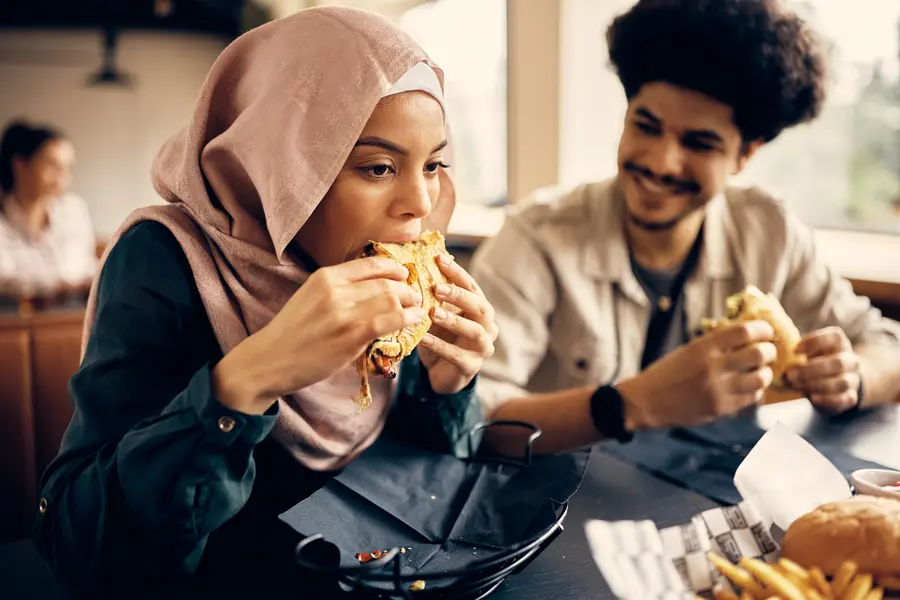
A major shift in the halal food industry is that it is no longer driven only by religious requirements. Many consumers now associate halal food with cleanliness, ethical sourcing, and high-quality meat preparation. This perception has helped halal restaurants attract a broader customer base.
Customers often describe halal meat as “fresher” or “better handled,” especially in fast-casual and street food categories. This growing acceptance has allowed halal food to move from ethnic neighborhoods into mainstream American dining spaces.
Expansion of Fast Casual and Street Food Models
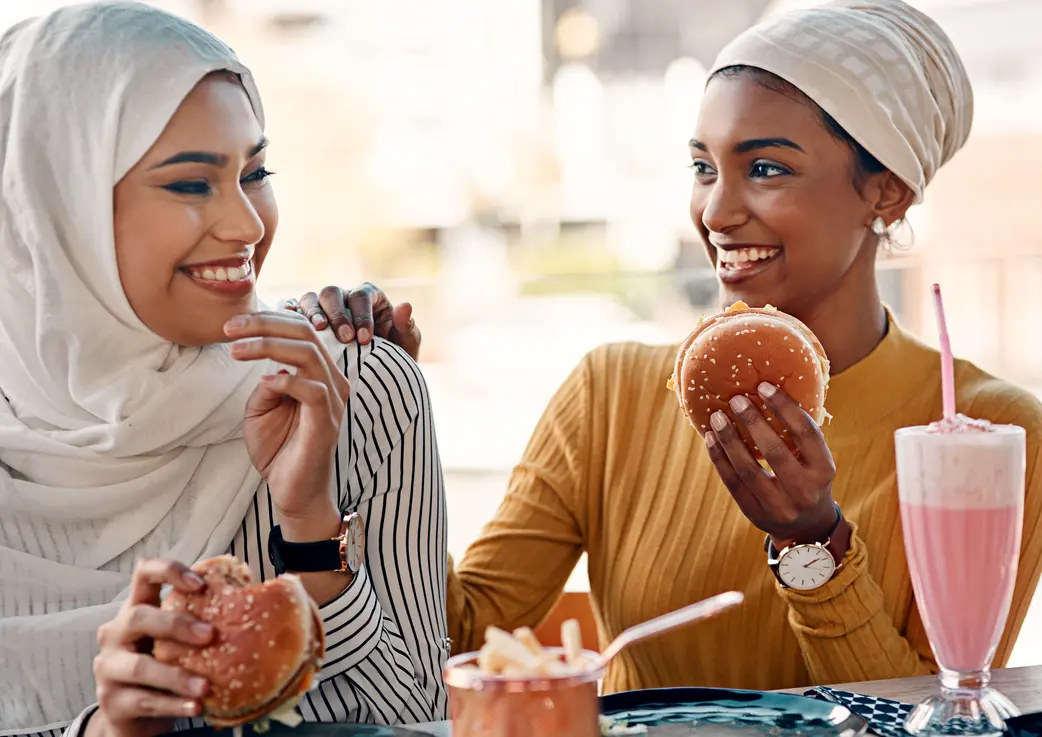
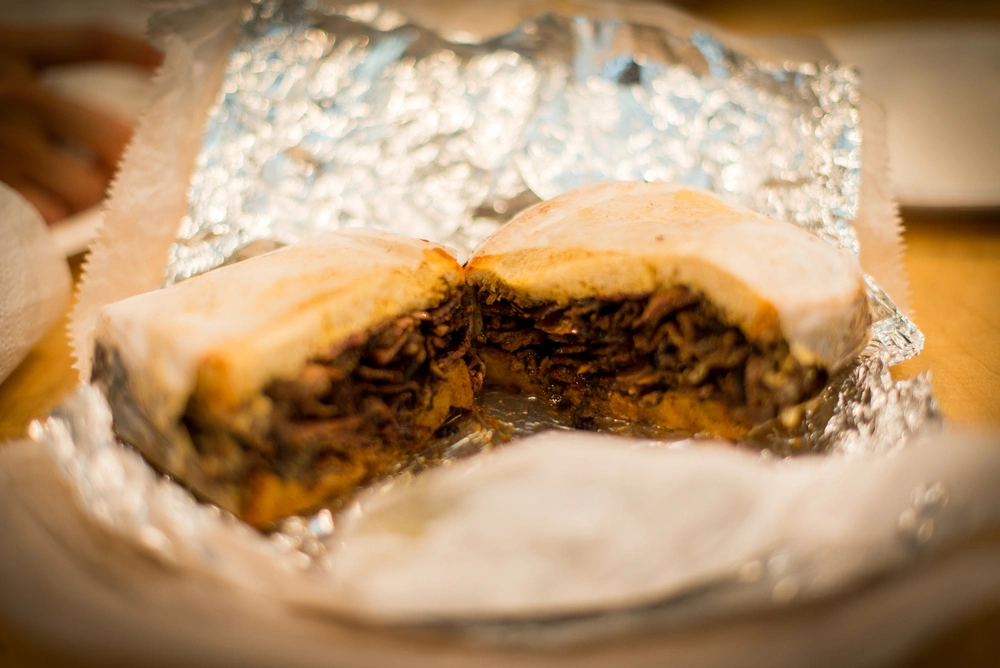
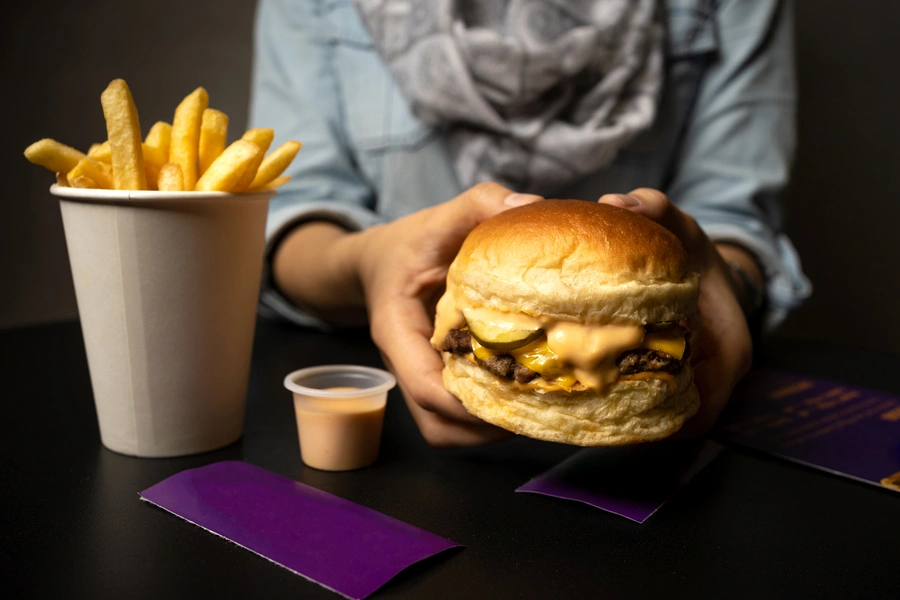
The rise of fast-casual dining has played a major role in the growth of halal food in the USA. Concepts like halal chicken over rice, gyro platters, shawarma wraps, and fusion burgers have become extremely popular in urban areas.
These models are affordable, quick, and easily scalable, making them ideal for both small business owners and franchise expansion. Many halal restaurants have successfully adopted street-food-style menus that appeal to younger consumers and busy professionals.
Influence of Food Delivery Platforms
Food delivery apps such as Uber Eats, DoorDash, and Grubhub have significantly boosted the visibility of halal restaurants. Customers can now easily filter halal options and discover new restaurants outside their immediate neighborhoods.
This digital accessibility has helped small halal businesses grow faster without relying heavily on traditional advertising. Many restaurants report increased orders simply due to better online visibility and searchability.
Rising Demand for Ethical and Clean Eating
Another key factor in the growth of halal food in the USA is the increasing interest in ethical eating. Consumers are more conscious about how food is sourced, processed, and prepared.
Halal food standards emphasize cleanliness, humane slaughter practices, and strict preparation guidelines, which align with modern consumer values. As a result, many people choose halal food even if they are not part of the Muslim community.
Growth of Halal Certification and Supply Chains
The development of halal certification organizations has also strengthened the industry. More restaurants, meat suppliers, and food manufacturers are now obtaining halal certification to meet growing demand.
This expansion of certified supply chains ensures better trust and transparency, which encourages more restaurants to adopt halal practices and expand their offerings.
Food Innovation and Fusion Cuisine
Halal food in the USA is also growing due to innovation and fusion cuisine. Restaurants are blending Middle Eastern, South Asian, Mexican, and American flavors to create unique dishes such as halal tacos, burgers, and loaded rice bowls.
This creativity appeals strongly to younger consumers who prefer diverse and customizable food options. It also helps halal restaurants stand out in a highly competitive food market.
Role of Social Media and Food Culture
Social media platforms like Instagram, TikTok, and YouTube have played a major role in promoting halal food culture. Viral food videos, reviews, and influencer content have helped introduce halal dishes to wider audiences.
Many customers discover new halal restaurants through social media recommendations, which significantly increases foot traffic and brand awareness for small businesses.
Challenges Still Facing the Industry
Despite strong growth, the halal food industry still faces challenges such as inconsistent certification standards, limited awareness in some regions, and supply chain complexities. However, these challenges are gradually being addressed as demand continues to rise.
Overall Industry Outlook
Overall, the halal food industry in the USA is growing due to a combination of cultural diversity, ethical consumer trends, digital expansion, and food innovation. What started as a community-based need has now become a nationwide food movement.
Real market behavior shows that halal food is not just expanding—it is becoming a long-term part of America’s mainstream food landscape, supported by both Muslim and non-Muslim consumers alike.