
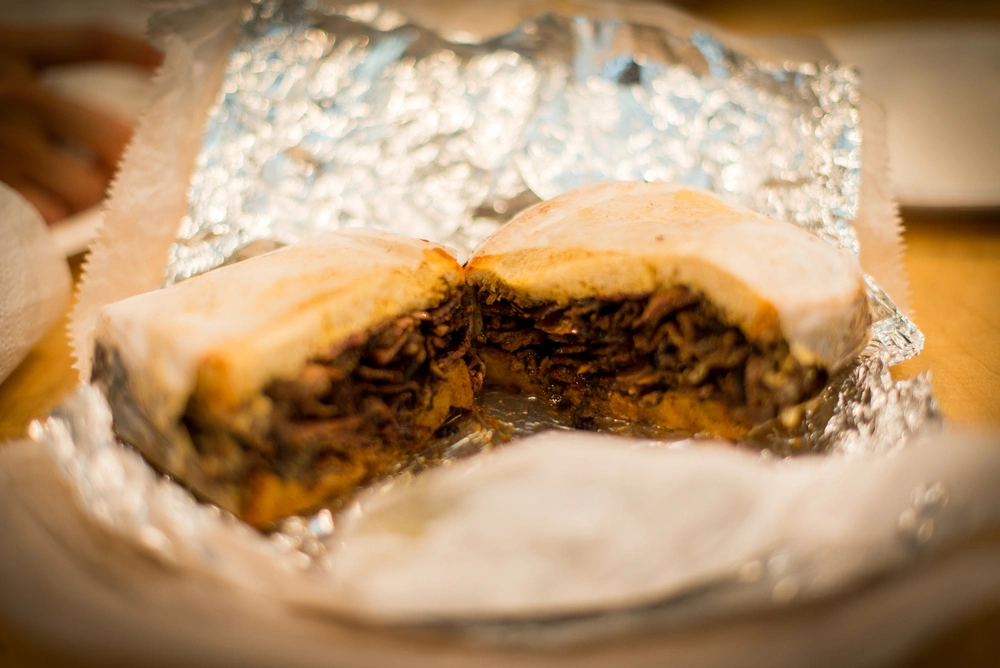
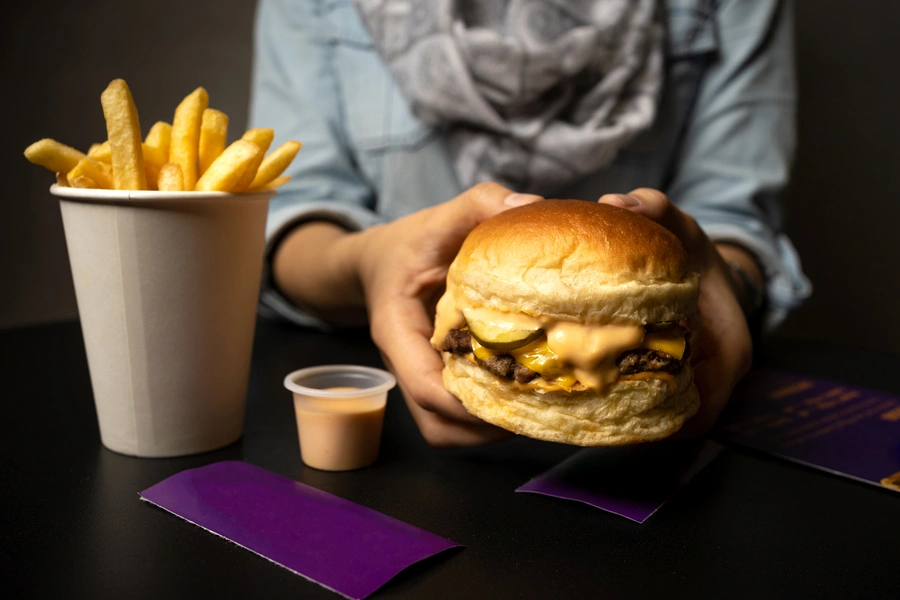

The halal food market in Chicago is no longer a niche segment—it is a rapidly expanding part of the city’s wider dining industry. Real customer behavior, restaurant growth patterns, and food industry reports all point toward the same direction: halal cuisine is moving from “limited options” to a mainstream dining category across the city. This shift is driven by cultural diversity, rising demand, and a broader interest in ethical and high-quality food choices.
Strong Growth Driven by Population and Demand
One of the biggest reasons behind the rising halal food trend in Chicago is the growing Muslim population and increased cultural diversity in the city. At the same time, halal food is no longer only consumed by Muslim communities—many non-Muslim customers are choosing it because they associate it with cleanliness, quality sourcing, and ethical preparation standards. Industry research shows that halal food demand is expanding globally and in the U.S., supported by multicultural urban markets like Chicago. :contentReference[oaicite:0]{index=0}
Customers in Chicago frequently describe halal restaurants as “better quality than expected” or “more consistent than regular fast food,” especially in street food and fast-casual categories. This growing satisfaction has contributed to repeat customers and organic word-of-mouth growth, especially on Devon Avenue, Bridgeview, and downtown food corridors.
Mainstream Acceptance Beyond Ethnic Communities
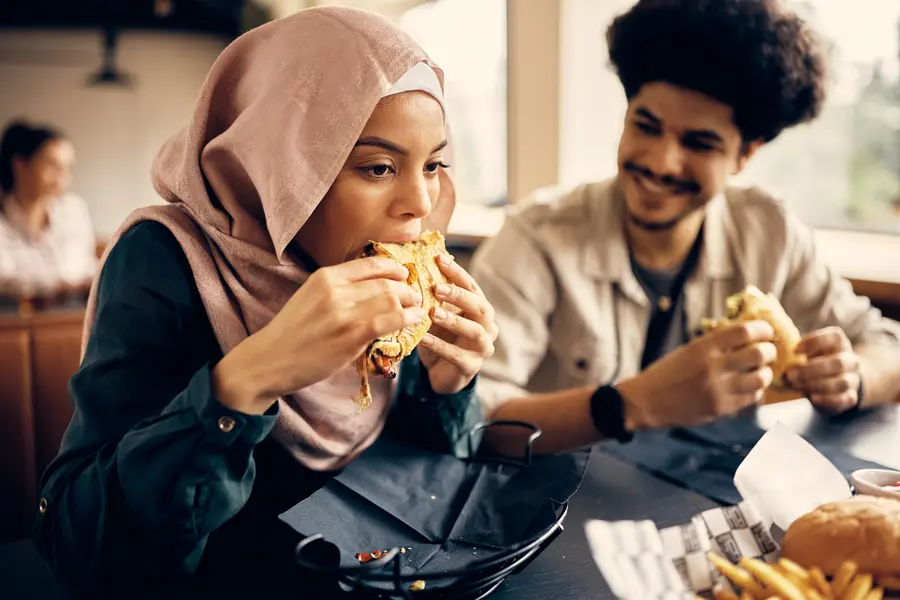
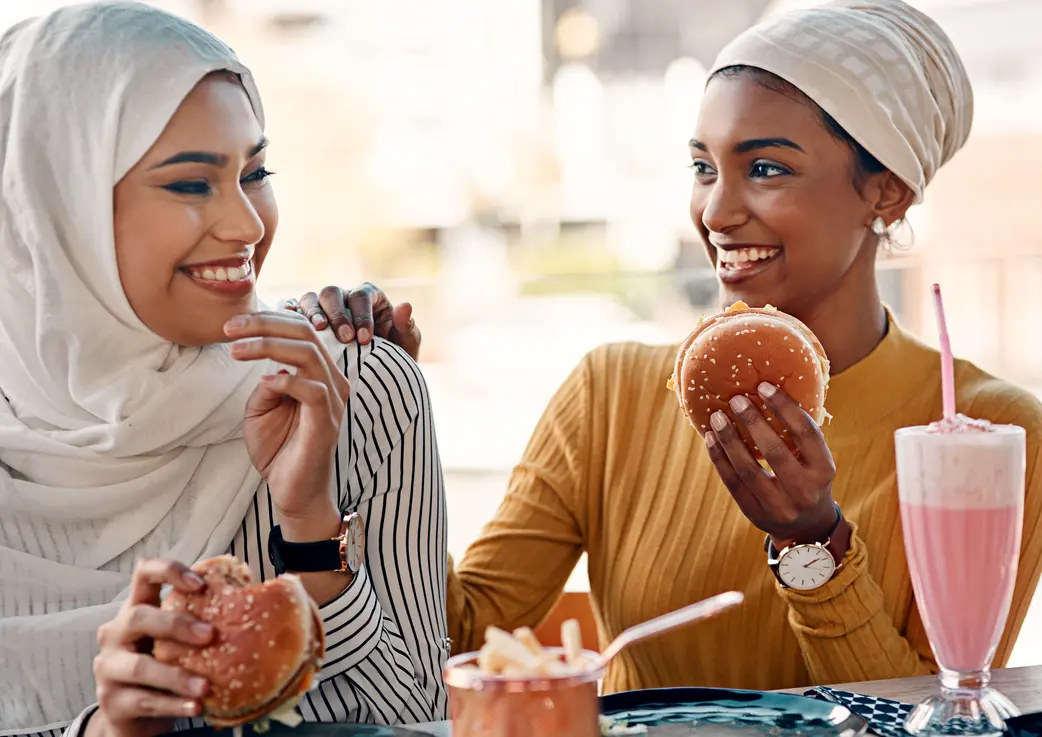
A key trend in Chicago’s halal market is that it is no longer limited to ethnic enclaves. Restaurants offering halal chicken, burgers, pizza, and fusion dishes are now attracting a wide audience, including students, office workers, and food enthusiasts from different backgrounds.
Customer discussions often highlight that halal food is becoming “normal everyday food” rather than a specialty cuisine. Even mainstream fast-casual chains and independent burger shops have started offering halal-certified options in select locations, reflecting broader demand across the city. :contentReference[oaicite:1]{index=1}
Explosion of Halal Street Food and Fast Casual Brands
One of the most visible trends is the rise of halal street food-style restaurants. Chicken over rice platters, gyro bowls, shawarma wraps, and loaded fries have become standard menu items across many neighborhoods. Customers frequently compare these meals to New York-style halal carts, but note that Chicago versions often include more variety and fusion options.
Many new halal fast-casual brands are also expanding through multiple locations and delivery platforms. This expansion is driven by strong demand for quick, affordable, and filling meals that still meet halal standards. Recent market growth reports show that halal food is expanding across retail and foodservice channels due to convenience and urban lifestyle needs. :contentReference[oaicite:2]{index=2}
Fusion Innovation is Changing the Scene
Another major trend is innovation through fusion cuisine. Chicago halal restaurants are increasingly blending Middle Eastern, South Asian, Mexican, and American flavors. Customers often mention halal tacos, burgers with specialty sauces, halal fried chicken sandwiches, and loaded rice bowls as standout items.
Real reviews show that younger audiences especially enjoy these creative menus, even if consistency varies between restaurants. This experimentation is helping halal food move beyond traditional boundaries and become part of mainstream American fast food culture.
Digital Ordering and Delivery Growth
The rise of food delivery apps has significantly boosted halal restaurant visibility. Customers now discover halal food through apps like Uber Eats and DoorDash, often filtering by “halal” when searching for quick meals. This has helped small and mid-sized halal restaurants reach wider audiences without needing physical expansion.
Many diners report trying new halal spots simply because they appeared in delivery recommendations, showing how technology is directly influencing market growth and customer discovery behavior.
Halal Food as an Ethical and Lifestyle Choice
Beyond religious requirements, halal food is increasingly viewed as an ethical lifestyle choice. Customers often associate halal with better hygiene, humane meat sourcing, and transparent food preparation. This perception is helping halal restaurants attract a broader customer base that values food quality and sourcing integrity.
Industry reports also show that younger consumers, especially Millennials and Gen Z, are more likely to choose halal or halal-style food because it aligns with their interest in clean eating and ethical consumption trends. :contentReference[oaicite:3]{index=3}
Growing Festival and Community Exposure
Food festivals, Ramadan events, and halal expos in Chicago have also contributed to the trend’s visibility. These events introduce halal food to new audiences and help small businesses gain recognition. Visitors often mention that festivals make it easier to explore multiple halal cuisines in one place, encouraging long-term interest in halal dining.
Challenges Still Present in the Market
Despite strong growth, customers still point out challenges such as inconsistent certification awareness, variation in quality across restaurants, and limited halal options in some suburban or upscale dining areas. However, these gaps are also seen as opportunities for future expansion.
Overall Market Outlook
Overall, the rising trend of halal food in Chicago reflects a broader transformation in how people eat, explore cuisines, and make food choices. What started as community-focused dining has now evolved into a fast-growing, citywide food category that continues to expand through restaurants, delivery platforms, and cultural events.
Real customer experiences consistently show one thing: halal food in Chicago is no longer hidden or niche—it is becoming a permanent and growing part of the city’s mainstream food identity.