


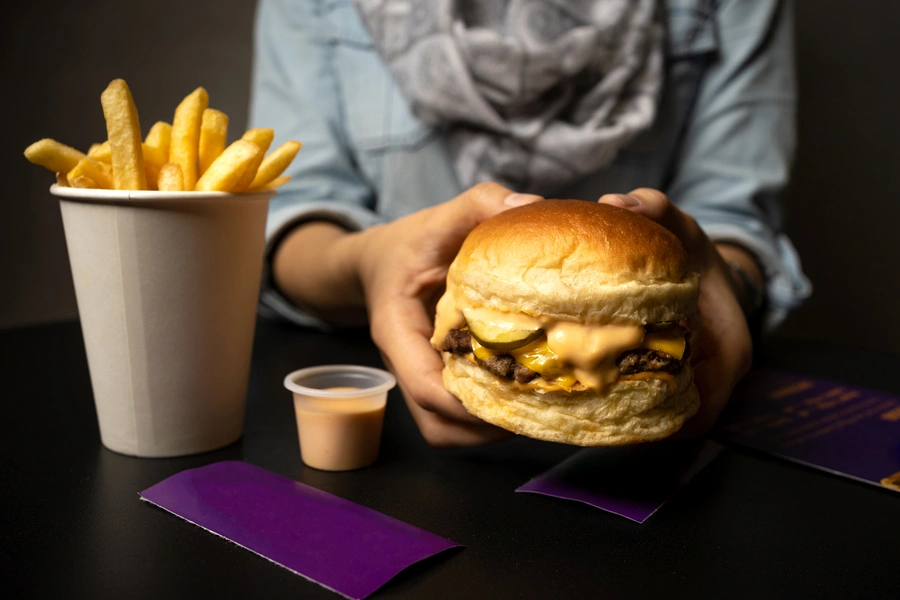

Avoiding non-halal ingredients in restaurants can feel challenging, especially in countries like the USA where food systems are complex and ingredients often come from multiple suppliers. Real customer experiences show that even when a restaurant appears halal-friendly, hidden ingredients, cross-contamination, and unclear sourcing can still be a concern. Understanding what to look for and what questions to ask helps ensure your meal stays fully halal.
Understand Common Non-Halal Ingredients
The first step is knowing which ingredients are not halal. Many non-halal items are not obvious from menu descriptions alone.
Common ingredients to watch for include pork-based products, alcohol-based flavorings, gelatin (often derived from non-halal sources), and certain animal-derived enzymes used in cheese or processed foods.
Real dining experiences show that these ingredients are often hidden in sauces, marinades, desserts, and even bread products.
Ask About Meat Sourcing
One of the most important questions to ask is whether the meat is halal-certified or zabiha halal. Many restaurants in the USA serve halal meat only at certain locations or from specific suppliers.
Customers often report that staff are willing to clarify sourcing when asked directly, especially in cities with larger Muslim communities.
Check for Alcohol in Cooking
Alcohol is sometimes used in cooking for flavor enhancement, especially in sauces, glazes, and marinades. Even small amounts can make a dish non-halal.
It is helpful to ask whether wine, beer, or alcohol-based extracts are used in preparation. Many chefs can suggest alternatives or confirm safe menu items.
Be Careful with Sauces and Dressings
Sauces are one of the most common sources of hidden non-halal ingredients. Items like barbecue sauce, creamy dressings, and specialty house sauces may contain alcohol or non-halal emulsifiers.
Real customer experiences show that asking for sauces on the side or choosing simple options like olive oil, lemon, or plain ketchup can reduce risk.
Avoid Cross-Contamination in Kitchens
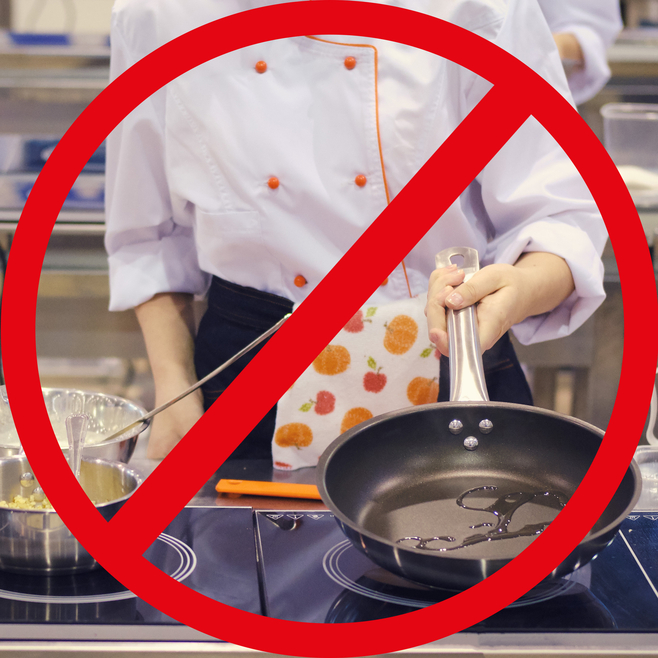
Even if ingredients are halal, cross-contamination can occur if halal food is cooked on the same grill or fryer as non-halal items.
It is important to ask whether separate cooking equipment, utensils, and oil are used for halal dishes.
Prefer Fully Halal Restaurants
Restaurants that serve only halal food are generally more reliable than those offering mixed menus.
Real customers often feel more confident in fully halal establishments because there is less risk of accidental contamination or ingredient confusion.
Check for Halal Certification
Certified halal restaurants follow verified standards for sourcing and preparation. Look for logos from trusted certification bodies or ask staff for documentation.
In many cases, certification helps remove guesswork, especially when dining at unfamiliar places.
Watch Out for Processed Foods
Processed and packaged foods are more likely to contain hidden non-halal ingredients. Items like frozen meals, desserts, and fast-food toppings often require extra caution.
Real dining experiences show that simpler, freshly prepared meals are usually safer choices when unsure.
Communicate Clearly with Restaurant Staff
Clear communication is one of the most effective ways to avoid non-halal ingredients. Simply informing staff that you require halal food often leads to helpful recommendations.
Many restaurants in diverse cities are familiar with halal requirements and can guide you toward safe menu items.
Be Cautious with “Vegetarian” Labels
Vegetarian dishes are not always automatically halal. Some may contain alcohol-based sauces, animal-derived enzymes, or be cooked on shared equipment.
It is still important to verify ingredients and preparation methods even when choosing non-meat options.
Simple Checklist for Dining Out
- Ask if meat is halal-certified or zabiha halal
- Confirm no alcohol is used in cooking or sauces
- Check for separate cooking surfaces and utensils
- Avoid unclear or heavily processed menu items
- Prefer fully halal or certified restaurants
Overall Understanding
Avoiding non-halal ingredients in restaurants requires awareness, communication, and careful selection. While modern food systems can be complex, most risks can be managed by asking the right questions and choosing trusted halal-certified establishments.
With experience and attention to detail, dining out becomes much easier and more confident, allowing Muslim consumers to enjoy a wide variety of cuisines while staying true to dietary principles.