


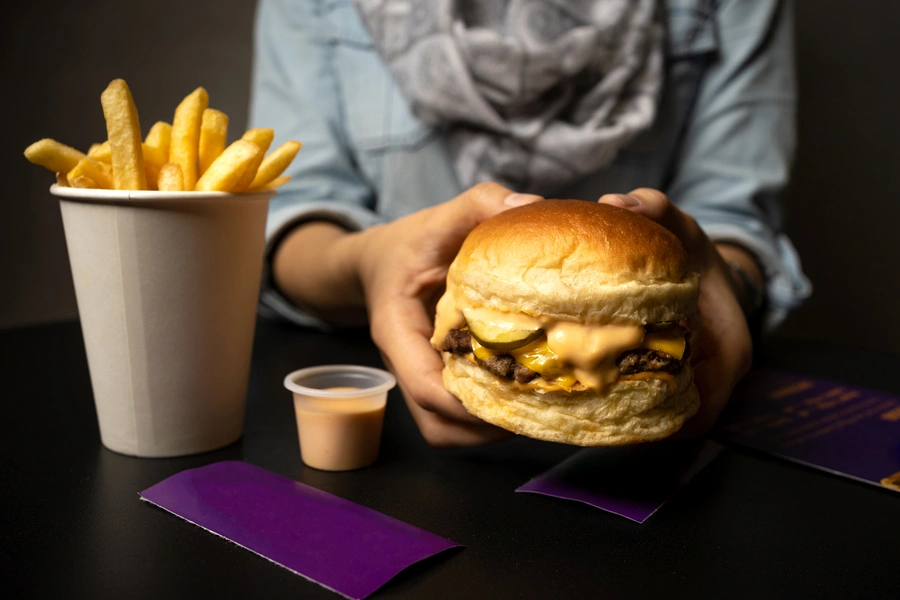


Halal food refers to food and drinks that are permitted under Islamic dietary laws. The word “halal” comes from Arabic and means “permissible.” For Muslims, eating halal is not just a dietary preference—it is a religious requirement based on guidelines found in Islamic teachings.
Basic Meaning of Halal Food
At its core, halal food includes anything that is allowed for consumption according to Islamic rules. This generally includes fruits, vegetables, grains, seafood, and meat from animals that are properly slaughtered according to halal guidelines.
Real customer understanding in modern food markets shows that halal food is widely available in restaurants, grocery stores, and fast food chains, especially in diverse cities like Chicago, New York, and Houston.
What Makes Food Halal?
For food to be considered halal, it must meet several important conditions:
- It must not contain pork or pork by-products
- It must not contain alcohol or intoxicants
- Meat must come from a halal-slaughtered animal
- The food must not be contaminated with non-halal substances
These rules ensure that the food is clean, permissible, and prepared according to Islamic principles.
Halal Slaughter Method (Zabiha)
One of the most important parts of halal food is how the animal is slaughtered. This method is known as Zabiha.
The animal must be healthy, treated humanely, and slaughtered by a Muslim who invokes the name of God before the cut. The blood must be fully drained from the body, as consuming blood is not allowed in Islam.
Foods That Are Naturally Halal
Many foods are naturally halal and do not require special certification:
- Fruits and vegetables
- Grains like rice, wheat, and oats
- Legumes and beans
- Seafood (in most interpretations)
However, even these foods can become non-halal if they are cooked with forbidden ingredients or contaminated during preparation.
Foods That Are Not Halal (Haram)
Certain foods are strictly not allowed in Islam, including:
- Pork and pork-based products
- Alcohol and alcoholic ingredients
- Animals not slaughtered in a halal way
- Blood and blood-based products
What Is Halal Certification?
Halal certification is a process where an approved organization verifies that food products and restaurants follow halal guidelines.
Certification bodies inspect ingredients, cooking methods, and food handling practices before allowing businesses to display a halal logo.
In real-world dining experiences, customers often rely on these certifications to confidently choose halal meals without needing to investigate every ingredient.
Why Halal Food Matters
Halal food is important for Muslims because it is directly connected to religious practice and daily life. It ensures that what they consume aligns with their faith.
Beyond religion, many people also appreciate halal food for its emphasis on cleanliness, ethical animal treatment, and careful preparation standards.
Halal Food in Modern Restaurants
Today, halal food is widely available in many countries. Restaurants may be fully halal or offer halal-specific menu items.
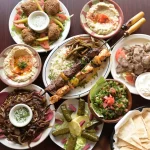
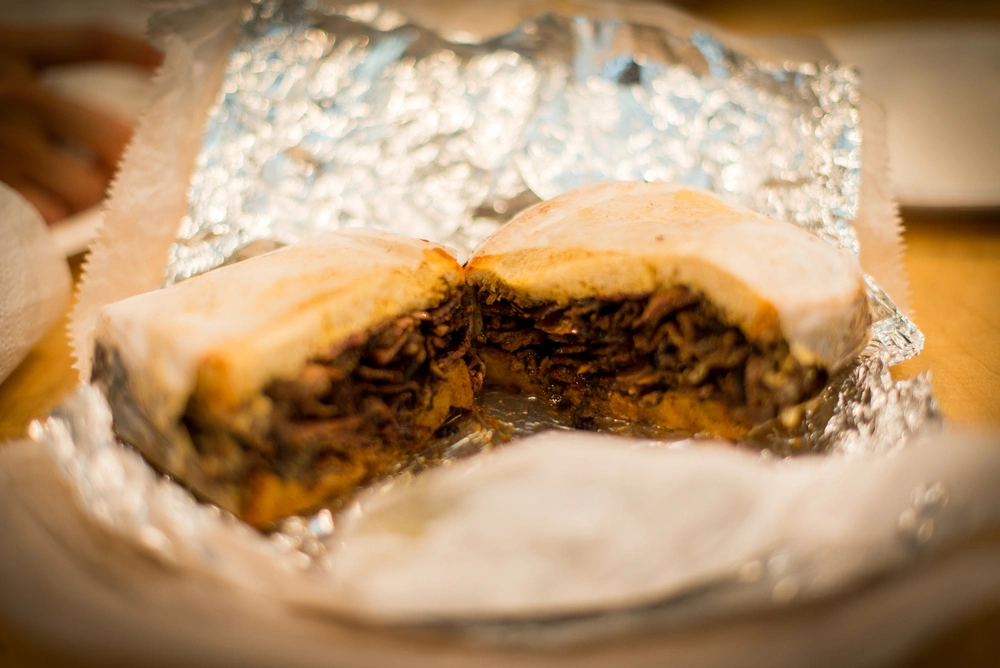
Real customer experiences show that in cities with large Muslim populations, it is common to find halal burgers, shawarma, BBQ, Mediterranean dishes, and even fast food options.
Common Misunderstandings About Halal Food
Many beginners confuse halal with vegetarian or organic food, but they are not the same.
- Vegetarian food is not always halal (it may contain alcohol or non-halal additives)
- Organic food is about farming methods, not religious rules
- Halal food focuses on Islamic dietary compliance
Simple Beginner Tips
If you are new to halal food, here are a few easy tips:
- Look for halal certification logos
- Ask restaurants if meat is halal-certified
- Avoid unclear sauces or ingredients
- Prefer fully halal restaurants when possible
Overall Understanding
Halal food is more than just a label—it is a complete system based on religious principles, ethical sourcing, and clean preparation. It guides what Muslims can eat and ensures that food aligns with their beliefs.
For beginners, understanding the basics of halal food makes it much easier to navigate restaurants, grocery stores, and dining experiences with confidence and clarity.