



Healthy Mediterranean halal food options are becoming increasingly popular in cities like Chicago and across the U.S. because they combine fresh ingredients, balanced nutrition, and halal-certified preparation. Real customer feedback and food studies show that Mediterranean-style halal meals are often chosen not just for taste, but also for their health benefits and clean eating approach.
Why Mediterranean Halal Food Is Considered Healthy
Mediterranean halal cuisine naturally focuses on whole foods such as vegetables, legumes, lean meats, olive oil, and herbs. When prepared with halal-certified ingredients, it aligns perfectly with both dietary guidelines and modern health-conscious eating habits.
This style of eating emphasizes grilled rather than fried foods, fresh salads, and balanced portions. It is widely associated with heart health, weight management, and improved overall nutrition. Studies and food guides highlight that Mediterranean diets are rich in fiber, healthy fats, and lean protein sources. :contentReference[oaicite:0]{index=0}
Grilled Proteins Instead of Fried Foods
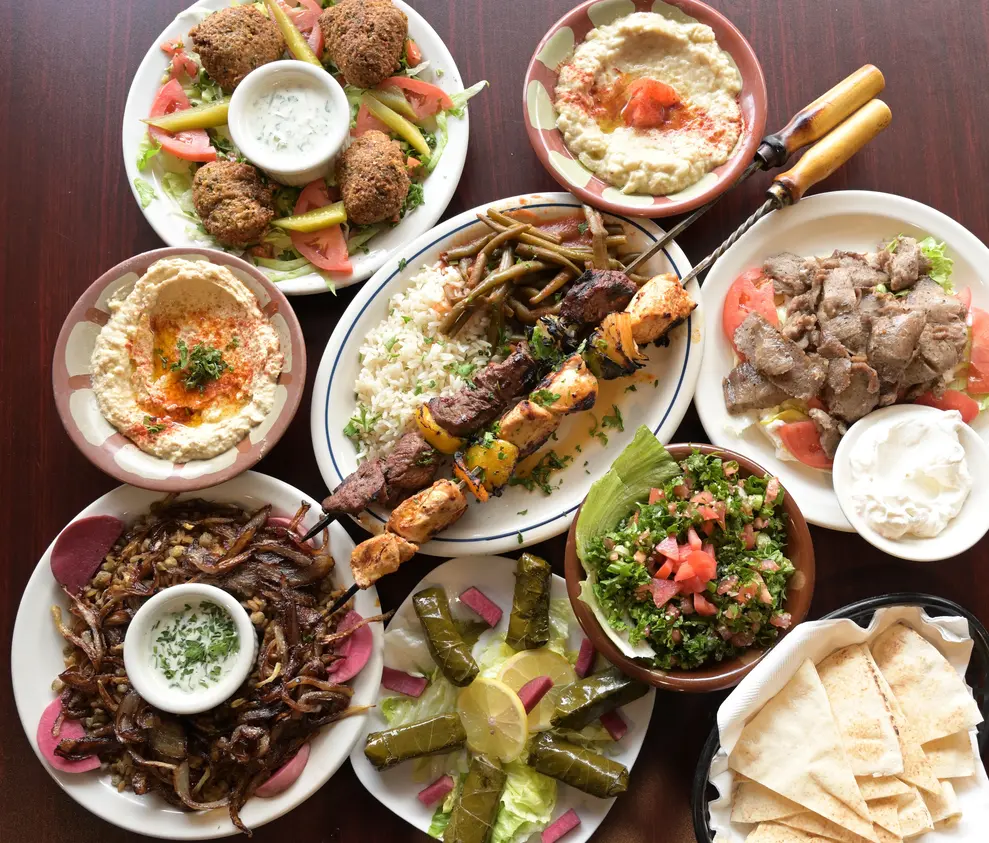
One of the biggest advantages of Mediterranean halal menus is the focus on grilled meats such as chicken kebabs, lamb skewers, and fish fillets. These options are typically marinated with olive oil, lemon, garlic, and herbs instead of heavy sauces or deep frying.
Customers often describe grilled halal Mediterranean meals as lighter, less greasy, and easier to digest compared to standard fast food, while still being filling and flavorful.
Fresh Salads and Vegetable-Based Plates
A major part of healthy Mediterranean halal dining includes fresh salads like fattoush, Greek salad, and tabbouleh. These dishes combine cucumbers, tomatoes, lettuce, parsley, and olive oil-based dressings.
Many diners choose salad bowls or mixed platters because they offer a balance of fiber, vitamins, and protein. These meals are especially popular among customers looking for low-calorie but satisfying options.
Legumes and Plant-Based Protein Options
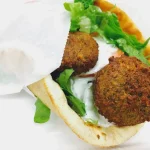
Mediterranean halal menus also include plant-based proteins such as chickpeas, lentils, and fava beans. These ingredients are commonly used in falafel, hummus, and lentil soups.
These foods are known for being high in protein and fiber, making them a healthy alternative or complement to meat-based meals. Many customers prefer combining falafel with salads for a fully vegetarian halal meal.
Healthy Fats from Olive Oil and Nuts
Unlike many fast-food diets, Mediterranean halal cuisine relies heavily on olive oil, nuts, and seeds instead of processed fats. This contributes to better heart health and more balanced nutrition.
Olive oil is used in cooking, dressings, and marinades, while nuts like almonds and pistachios are often added to salads and desserts for natural flavor and texture.
Popular Healthy Mediterranean Halal Dishes
Customers frequently highlight a few go-to healthy halal Mediterranean dishes when dining out:
- Grilled chicken shawarma with salad and hummus
- Mixed grill platters with kebabs and vegetables
- Falafel bowls with tahini and fresh greens
- Lentil soup with whole wheat pita bread
- Greek salad with grilled chicken or lamb
These meals are commonly recommended because they balance protein, fiber, and healthy fats without excessive calories.
What Customers Appreciate Most
Real customer experiences show that people appreciate Mediterranean halal food for three main reasons: freshness, portion control, and variety. Many diners feel they can eat healthier without sacrificing taste or fullness.
Another common point is customization—customers can often choose grilled proteins, extra vegetables, or lighter sauces depending on their dietary goals.
Overall Outlook
Healthy Mediterranean halal options continue to grow in popularity because they align with modern eating trends focused on wellness and clean ingredients. Whether it’s a grilled platter, a salad bowl, or a vegetarian falafel meal, these dishes offer a balanced and nutritious way to enjoy halal dining.
As more restaurants adopt Mediterranean-inspired halal menus, customers can expect even more healthy, flavorful, and accessible options in the coming years.