

Chicago’s halal food scene is entering a new growth phase in 2026, with several new restaurants, modern fast-casual concepts, and fusion kitchens expanding across downtown, West Loop, and North Side neighborhoods. The demand for certified halal options continues to rise, driven by a younger crowd, tourists, and professionals looking for convenient, high-quality meals without compromising dietary standards.
Expansion of Modern Halal Fast-Casual Concepts
One of the biggest trends in 2026 is the expansion of fast-casual halal brands that focus on speed, customization, and consistency. These new restaurants are designed for busy urban lifestyles, offering build-your-own bowls, wraps, and platters similar to popular national chains but fully halal-certified.
Expect more locations modeled after successful concepts like shawarma bars, rice bowl kitchens, and fusion grill counters. These setups are targeting downtown office workers and late-night customers who want quick service without sacrificing quality.
West Loop Becoming a Halal Innovation Hub
The West Loop area continues to evolve into one of the most active food districts in Chicago, and 2026 is expected to bring several new halal-friendly openings there. This neighborhood is attracting modern Middle Eastern fusion restaurants that blend traditional flavors with contemporary presentation.
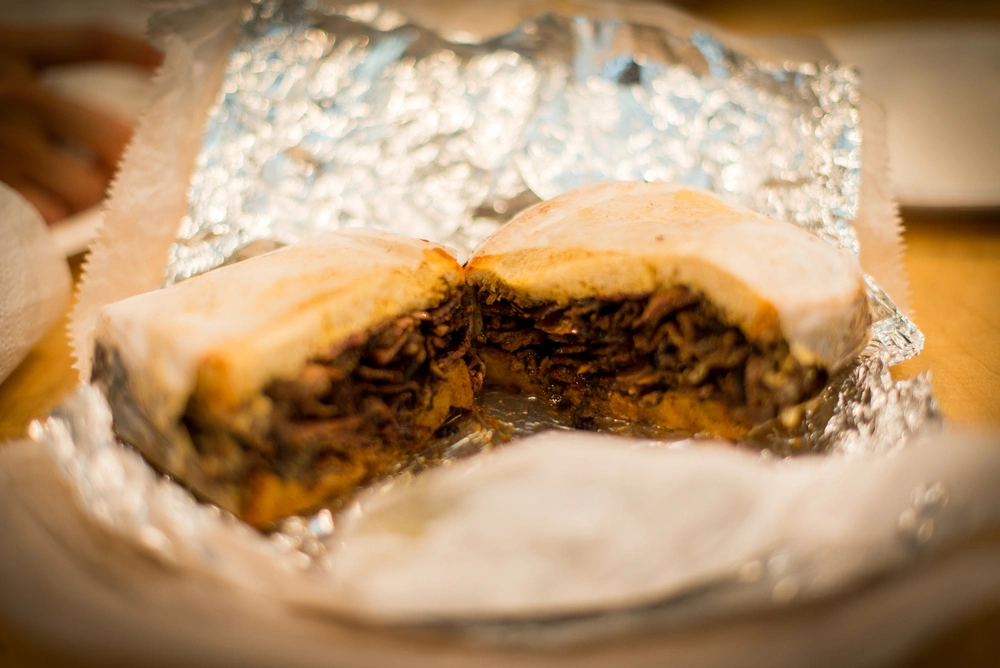
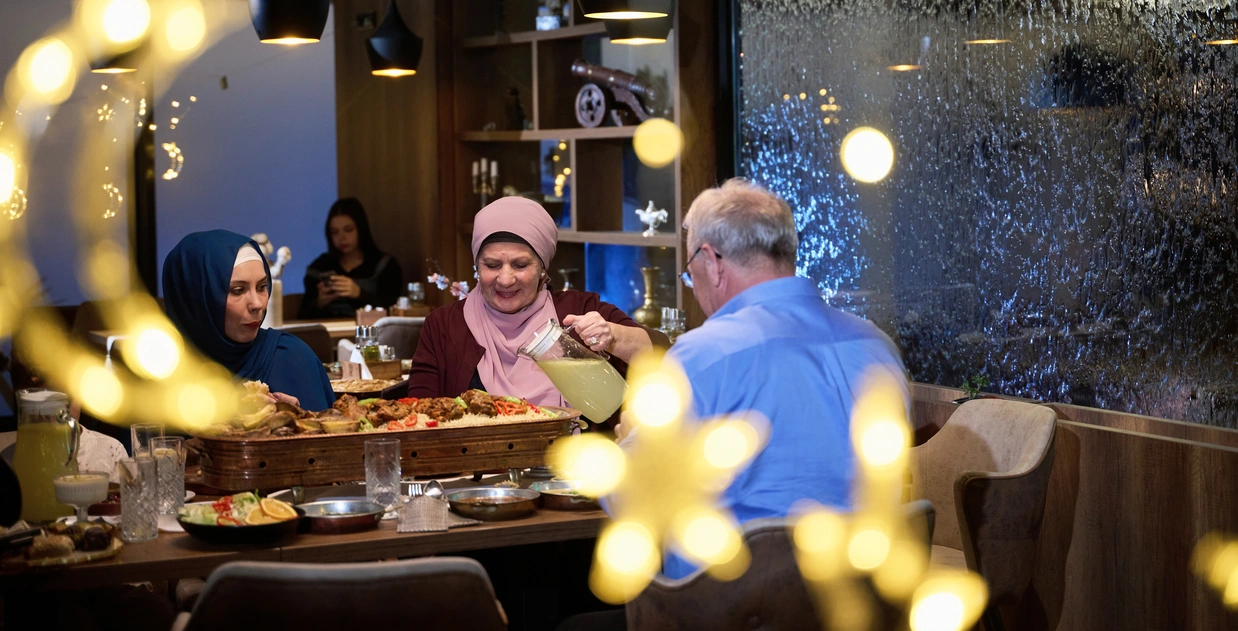
New concepts are expected to focus on grilled meats, gourmet shawarma, elevated mezze platters, and halal-friendly brunch menus. The emphasis is shifting from basic street food to more curated dining experiences with modern interiors and social media-friendly presentation.
Downtown Chicago Seeing More Halal Fusion Kitchens
Downtown Chicago (The Loop and River North) is also expected to see more halal fusion kitchens opening in 2026. These are not traditional restaurants but hybrid spaces combining multiple cuisines such as Middle Eastern, Mediterranean, and South Asian with American-style comfort food.
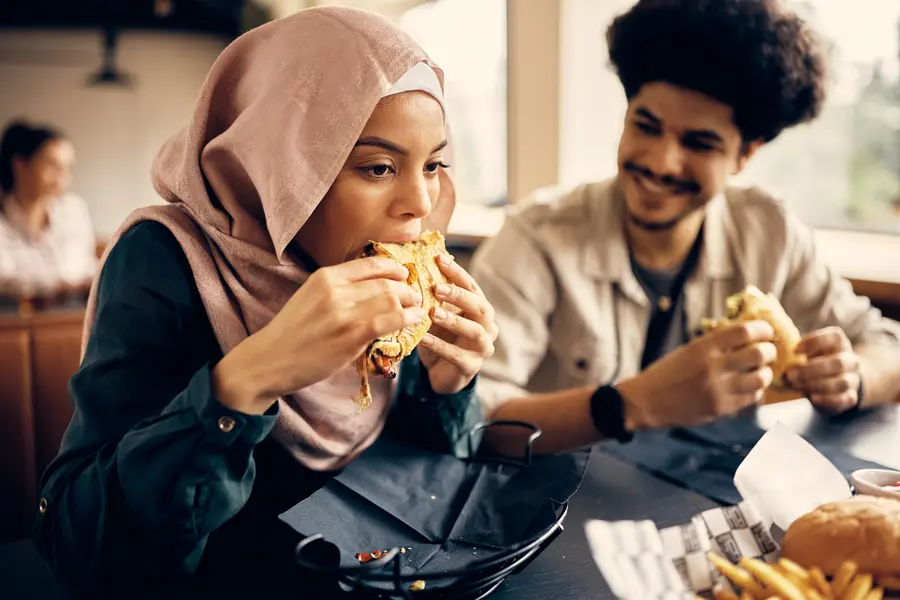
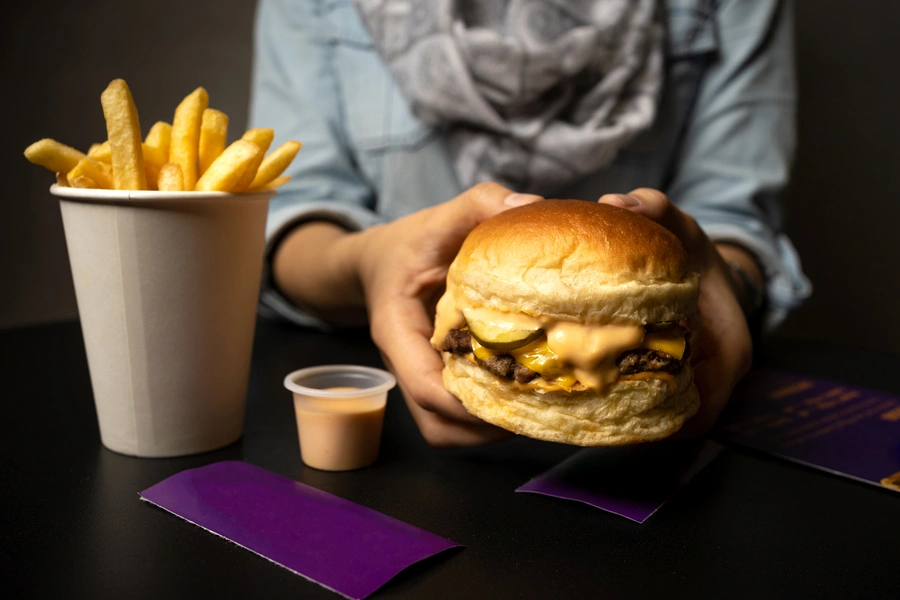
Burgers, loaded fries, halal fried chicken, and gourmet sandwiches are becoming key menu items. This trend is driven by demand from younger consumers who want variety and bold flavors in one place.
Growth of South Asian Halal Expansion
Another noticeable trend is the expansion of South Asian halal restaurants beyond Devon Avenue into more central locations. Pakistani, Indian, and Bangladeshi halal cuisine is expected to become more visible in the South Loop and surrounding downtown areas.
New openings are focusing on biryani, nihari, kebabs, and modern curry bowls designed for quick service. This makes traditional South Asian halal food more accessible to office workers and tourists.
Late-Night Halal Food Concepts Increasing
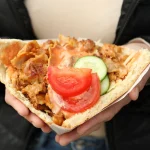
Chicago’s nightlife is pushing demand for late-night halal options, and 2026 is expected to bring more restaurants with extended hours or 24-hour service models. These spots will focus on shawarma platters, grilled wraps, burgers, and comfort food designed for post-event or late-shift customers.
This is especially important near downtown and airport zones, where late-night halal options have traditionally been limited.
Airport Area and Suburban Growth Near O’Hare
Areas around O’Hare International Airport, including Rosemont and Schiller Park, are expected to see additional halal-friendly openings targeting travelers and hotel guests.
New restaurants in this zone are focusing on quick service, grab-and-go meals, and delivery-friendly menus. This includes shawarma counters, kebab grills, and halal fast-food hybrids designed for airport traffic.
Rise of Halal Burger and Fried Chicken Chains
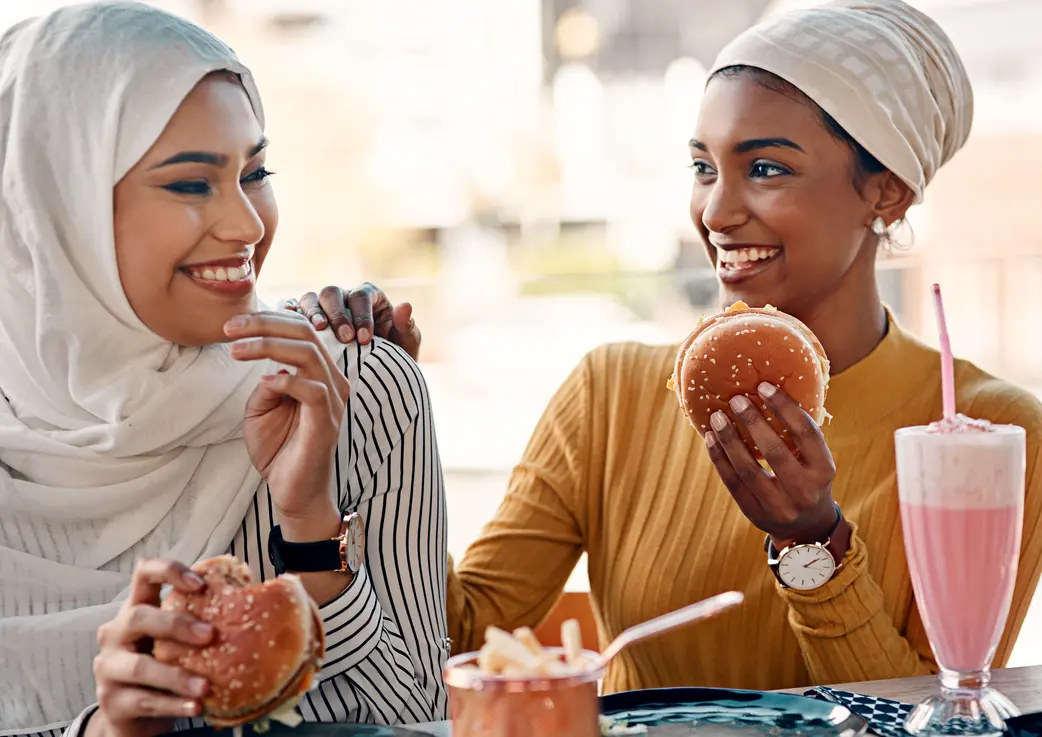
One of the strongest trends heading into 2026 is the rise of halal burger and fried chicken concepts. These restaurants are competing directly with mainstream fast-food chains but offering halal-certified ingredients and more customizable menus.
Expect more halal smash burgers, spicy fried chicken sandwiches, loaded fries, and milkshake-style dessert menus appearing across Chicago neighborhoods.
Technology-Driven Halal Dining
New halal restaurants opening in 2026 are also focusing heavily on technology. Mobile ordering, digital menus, loyalty apps, and delivery integrations are becoming standard features.
This shift is improving efficiency and reducing wait times, especially in high-traffic downtown locations. Many new restaurants are also using cloud kitchens to expand delivery reach without large dine-in spaces.
What Locals Can Expect in 2026
For Chicago residents, 2026 will bring more variety, better accessibility, and improved consistency in halal dining. Instead of being limited to a few traditional spots, diners will have more choices across fast-casual, fusion, and premium categories.
- More halal-certified fast-casual chains in downtown areas
- Expanded South Asian halal presence outside Devon Avenue
- Modern Middle Eastern fusion restaurants in West Loop
- Increased late-night halal availability
- More halal burger and fried chicken concepts
Final Takeaway
Chicago’s halal restaurant scene in 2026 is moving toward expansion, innovation, and convenience. The city is no longer just about traditional shawarma or kebabs—it’s becoming a diverse halal food hub with fusion concepts, tech-enabled dining, and broader geographic coverage.
For diners, this means more options, better accessibility, and a stronger overall halal food ecosystem across Chicago’s key neighborhoods.