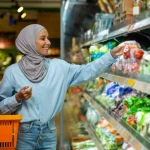





Chicago’s halal food landscape goes far beyond restaurants and street food—it also extends into grocery stores, butchers, and halal markets that supply the entire ecosystem. These places are essential for home cooks, families, and anyone who wants to prepare authentic halal meals with fresh ingredients. From specialty meat shops to full-scale international grocery stores, Chicago offers a strong foundation for halal living beyond dining out.
What makes halal grocery shopping in Chicago unique is the diversity of products available. You can find South Asian spices, Middle Eastern pantry staples, fresh halal meat cuts, frozen ready-to-cook items, and imported snacks all under one roof in many stores. This convenience supports both traditional cooking and modern fusion meal preparation.
Best Halal Grocery Stores in Chicago
Chicago is home to several well-established halal grocery stores that cater to different cultural communities while maintaining strict halal standards. These stores are especially concentrated in neighborhoods like Devon Avenue, Albany Park, and West Ridge.
Devon Market area grocery stores are among the most popular destinations for South Asian shoppers. Here, you can find fresh spices, lentils, rice varieties, frozen parathas, and halal-certified meat sections. These stores are essential for Pakistani, Indian, and Bangladeshi cooking ingredients.
Middle Eastern specialty markets in West Ridge offer a different selection, focusing on olive oils, tahini, pita bread, dates, pickled vegetables, and freshly prepared halal meats. These markets often have in-house butcher sections where customers can request specific cuts.
Albany Park halal markets provide a mix of Latin American, Middle Eastern, and South Asian groceries, reflecting the neighborhood’s cultural diversity. These stores are known for affordability and variety, making them a go-to for weekly shopping.
Halal Butcher Shops and Fresh Meat Options
One of the most important parts of halal grocery culture in Chicago is access to certified butcher shops. These shops ensure that meat is slaughtered and handled according to halal guidelines while maintaining freshness and quality.
Halal butcher shops typically offer chicken, beef, lamb, and goat in various cuts, including minced meat, kebab-ready pieces, and specialty cuts for curries or grills. Many also allow custom cutting based on customer preferences.
Some butcher shops also prepare marinated meats ready for cooking, which is especially popular for BBQs and family gatherings. These pre-seasoned options save time while still maintaining authentic flavor profiles.
Freshness is a major advantage here compared to packaged supermarket meat. Many customers prefer butcher shops because they can directly verify sourcing and preparation methods.
Must-Have Halal Pantry Staples
A well-stocked halal kitchen in Chicago often includes a mix of South Asian, Middle Eastern, and international pantry essentials. These ingredients are widely available in halal grocery stores across the city.
Common staples include basmati rice, lentils, chickpeas, and flour used for traditional bread like naan and roti. These form the base of many everyday halal meals.
Spices are another essential category. Turmeric, cumin, coriander, cardamom, and garam masala are widely used across multiple cuisines and are easily available in halal markets.
Condiments like tahini, hot sauces, pickles, and chutneys add depth and variety to home-cooked meals. Many of these items are imported directly from regions where halal cuisine originates.
Frozen foods such as samosas, kebabs, parathas, and ready-to-cook meals are also increasingly popular, offering convenience without compromising authenticity.
Hidden Halal Grocery Gems in Chicago
Beyond the well-known stores, Chicago also has smaller halal grocery gems that locals rely on for specific products and better pricing. These stores often specialize in niche imports or focus on serving specific communities.
Small corner halal groceries often carry hard-to-find spices, specialty teas, and fresh baked goods made daily. These shops may not be large, but they are highly valuable for everyday essentials.
Some ethnic bakeries double as grocery stores, offering fresh bread, sweets, and basic pantry items in one place. These hybrid setups are especially common in densely populated neighborhoods.
Discount halal markets are also gaining popularity, offering bulk pricing on rice, meat, and frozen items. These stores are especially useful for large families or meal preppers.
Why Halal Grocery Stores Are Important to the Community
Halal grocery stores play a critical role in maintaining cultural and dietary practices within Chicago’s diverse communities. They provide access to food that aligns with religious guidelines while also preserving traditional cooking methods.
These stores also act as cultural hubs where people can find familiar ingredients from their home countries. For many families, shopping at these markets is not just a necessity but also a connection to heritage and identity.
Additionally, halal grocery stores support local economies by providing jobs and encouraging small business growth. Many are family-owned and have been operating for decades within the same neighborhoods.
Modern Trends in Halal Grocery Shopping
Halal grocery shopping in Chicago is also evolving with modern trends. Many stores now offer online ordering and delivery services, allowing customers to shop for meat, spices, and pantry items without visiting in person.
Some larger halal supermarkets have introduced loyalty programs, mobile apps, and digital coupons to enhance customer experience and retention.
There is also a growing demand for organic and health-focused halal products. This includes grass-fed meats, preservative-free spices, and gluten-free halal alternatives.
These trends reflect a shift toward convenience, health awareness, and digital accessibility within the halal grocery sector.
Final Thoughts
Halal grocery stores and markets in Chicago form the backbone of the city’s halal food ecosystem. They supply the ingredients, meats, and essentials that make both home cooking and restaurant dining possible.
From large ethnic supermarkets to small neighborhood butcher shops, these spaces ensure that halal food remains accessible, authentic, and deeply connected to cultural traditions.
As demand continues to grow, expect even more modernization in this space, including better delivery systems, wider product availability, and improved shopping experiences for customers across Chicago.